Espadrilles: style inspiration for every season
The espadrille remains one of the few shoes capable of crossing decades of fashion without ever truly fading into the background: its braided rope sole and lightweight upper make it the quintessential summer shoe, as casual as it is adaptable to more polished looks.
Canvas, leather, or woven cotton upper
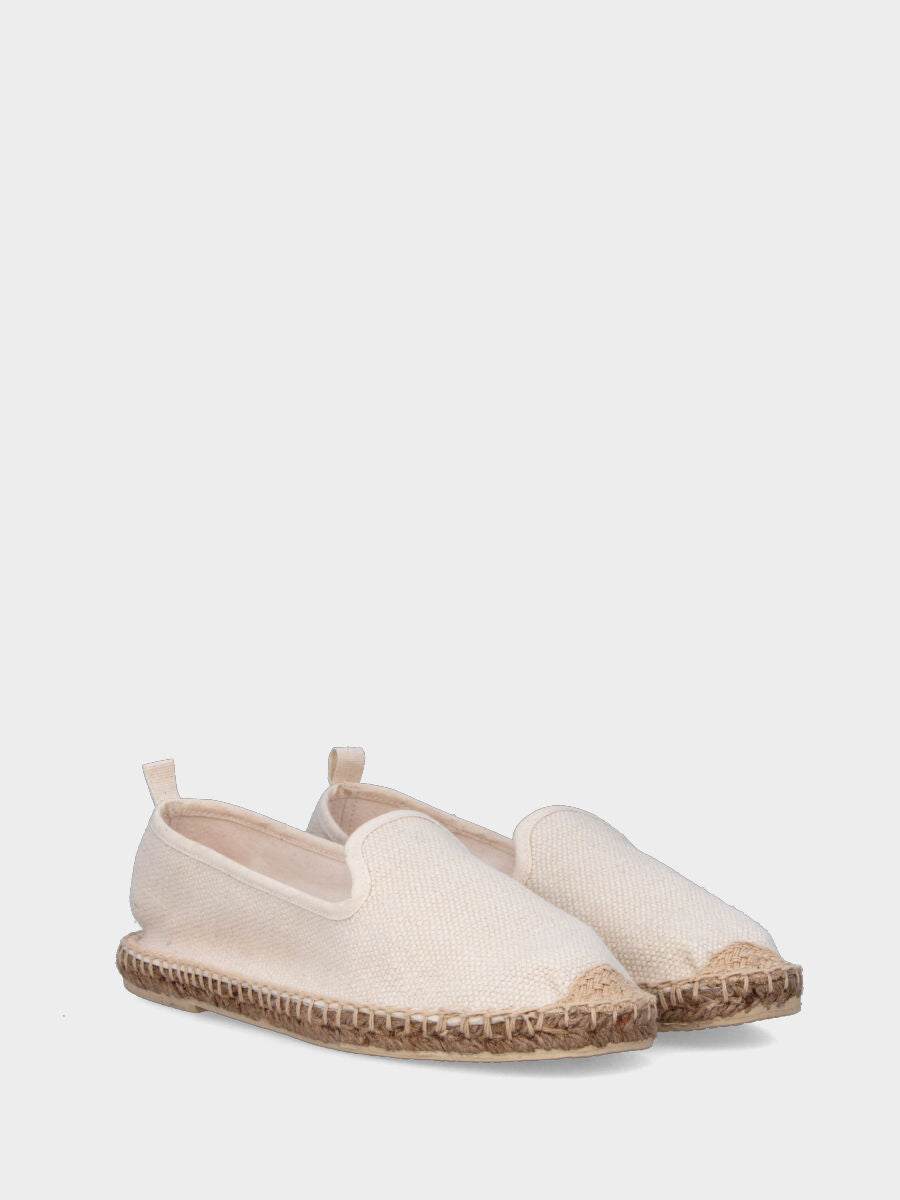
The lightweight canvas upper is the freshest and most traditional version, but also the least resistant to water and stains. Leather offers more structure and a slightly more polished appearance, making it suitable for urban settings as well as the beach. Woven cotton, less common, creates a more artisanal effect but requires care similar to that needed for canvas.
Flat sole, wedge, or platform
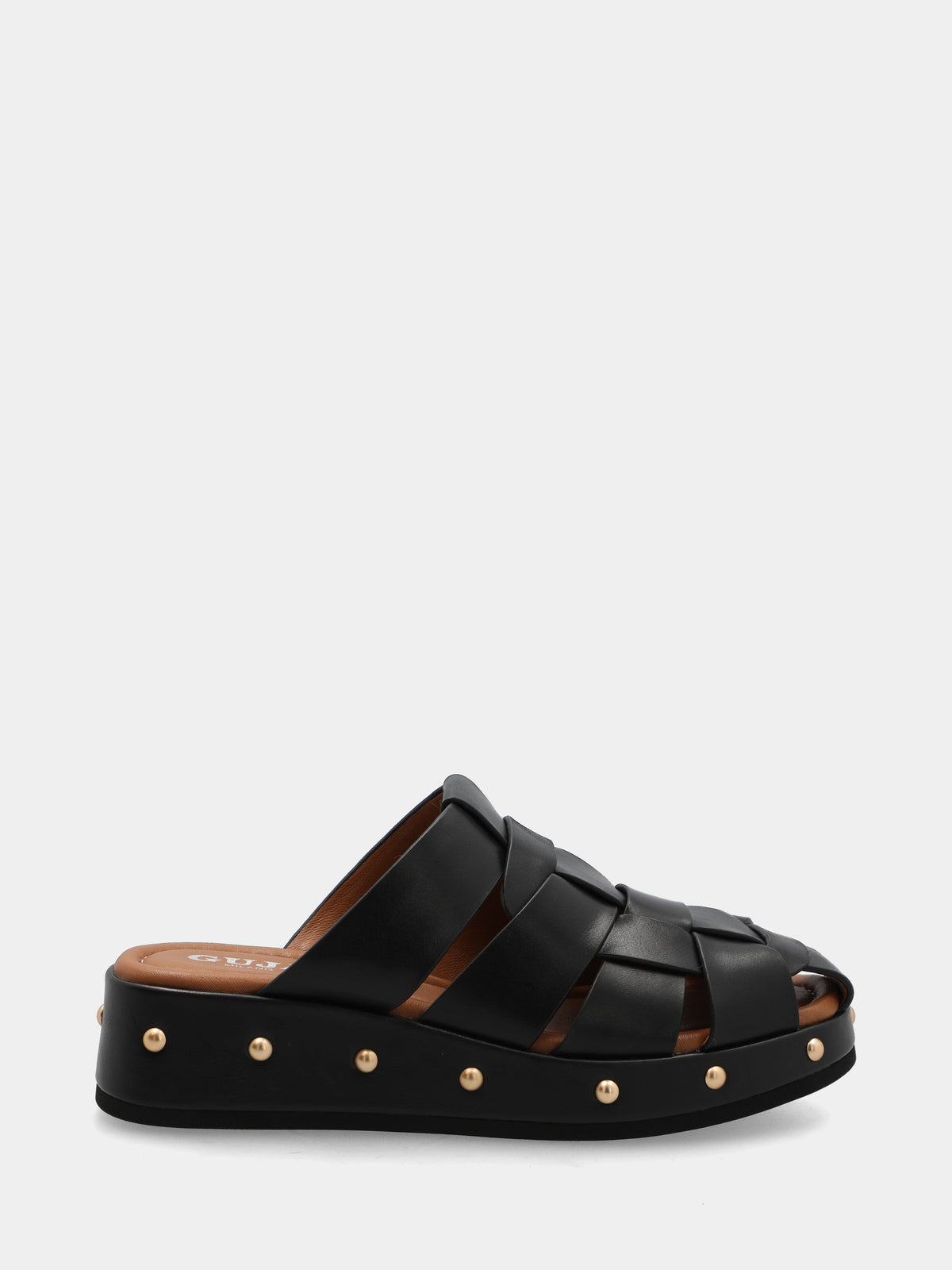
The flat-sole version is the most comfortable for prolonged everyday use, perfect for the seaside or long summer walks. The wedge adds lift while maintaining a good level of comfort. The more recent platform version combines the look of the classic espadrille with a more contemporary height.
Natural or synthetic rope
Natural rope is more resistant to wear and maintains its shape better over time, but it is also more sensitive to moisture. The sole made from synthetic material that imitates rope is more affordable and water-resistant, but tends to lose its original appearance more quickly with frequent use.
The most common mistake with this style
Espadrilles are often considered "disposable" shoes to be replaced every season, but a well-made pair, with a sturdy canvas upper and a hand-stitched natural rope sole, can last for several summers if stored properly during the winter months.
What to wear with them
- Sun dress: the most immediate and recognizable pairing;
- Jeans rolled up at the ankle: a timeless summer classic;
- Wide linen trousers: for a more relaxed yet polished look;
- Shorts: for the hottest days, with a natural, Mediterranean touch.
A long ethnic or striped dress also pairs naturally with espadrilles, evoking a vacation style that works both in the city and by the sea, without the need for additional accessories.
How to care for the rope sole
Natural rope does not like prolonged contact with water: after a day at the beach or in the rain, let the shoe air-dry away from direct heat sources, which could harden and deform the braided weave.
From peasant shoe to summer icon
The espadrille originated as a peasant work shoe in the Basque Country and Catalonia before becoming, over the course of the twentieth century, a symbol of Mediterranean summer style. This artisanal origin explains why styles with hand-stitched rope soles remain the most highly regarded today, in clear contrast to the inexpensive industrial versions widely available through mass retailers.
Frequently asked questions
Is the espadrille also suitable for everyday urban wear? Yes, especially versions with a leather or sturdy canvas upper, which withstand use on asphalt better than less expensive versions.
How long does a quality pair typically last? With proper care, several summer seasons, unlike styles with thin synthetic soles, which wear out quickly.
Can they get wet at the beach? It is best to avoid prolonged contact with salt water, which accelerates the deterioration of the natural rope sole.
Guja espadrilles from the collection are available at guja.it.
WhatsApp: +39 393 978 7389
Customer service: Mon-Fri, 10:00-17:00