Women's loafers: the secrets to impeccable style
The loafer is one of the few styles that holds its own with both jeans and a midi skirt. But “comfortable” and “right for you” are not the same thing, and the difference almost always comes down to three factors: the leather, the fit, and the sole height.
Leather makes the difference
A loafer in soft nappa leather takes the shape of the foot from the very first day and does not rub the heel, unlike smoother, more rigid leather, which takes time to soften. If a style is described as “ultra-soft,” it is not just a product-description term: it really is made with a different tanning process, making it more flexible and less structured.
For everyday wear, it is best to choose soft leather; for a more formal look, the classic smooth loafer maintains a cleaner, more defined line, ideal for the office.
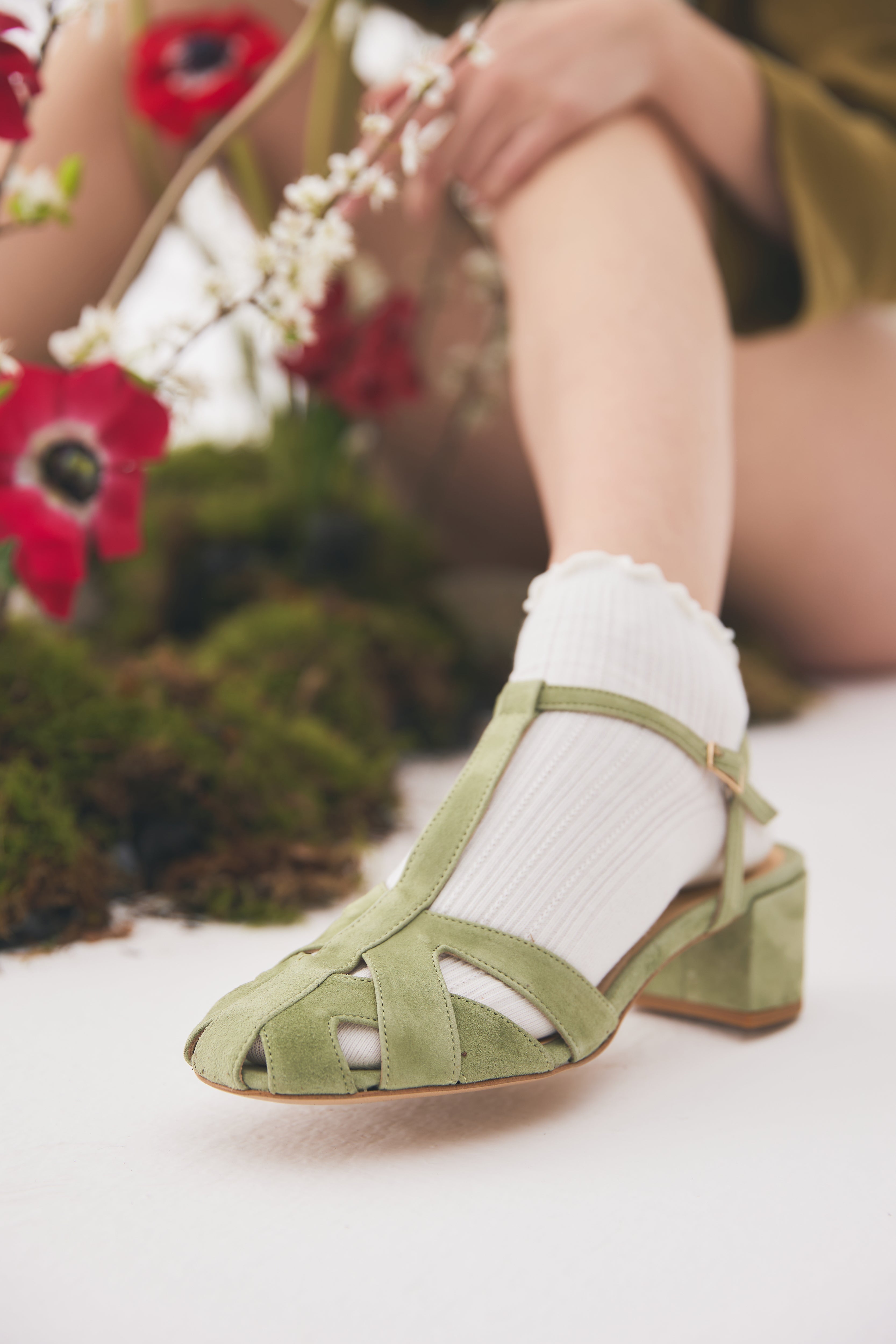
There is also a middle ground: suede, which offers immediate comfort but requires more care when cleaning, especially during damp months.
The most common sizing mistake
A loafer without laces or fastenings should fit more snugly than a sneaker; otherwise, it slips off the heel with every step. Many women choose half a size larger “to be safe” and then find themselves adjusting the shoe with every step throughout the season.
The correct reference point: your toes should not touch the toe box, and your heel should not move while walking. If you try the loafer on in the boutique, walk at least ten steps; do not simply stand still in front of the mirror: it is while moving that you notice any slipping.
Another detail that is often overlooked is the width of the forefoot: a loafer that is too tight in this area creates noticeable pressure after just an hour, even if the length is correct.
Braided, classic, or colorful
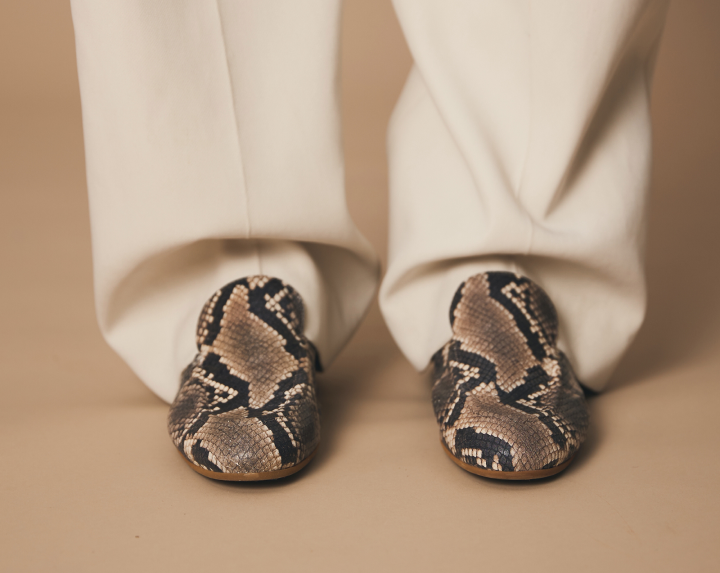
- The braided loafer is more casual, perfect with wide-leg trousers or straight-leg jeans;
- The classic smooth style suits business and smart-casual settings;
- The colorful version works as a focal point in a neutral look, without the need for any other eye-catching accessories;
- The fabric loafer is lighter but less resistant to everyday wear than leather.
The choice among these styles also depends on the season: full-leather versions hold up better in autumn and winter, while fabric and lighter leather are suited to the transitional seasons.
Seasonal pairings
In spring, a light-colored loafer pairs well with cropped trousers and lightweight shirts. In autumn, a dark or braided version works with sweaters and high-waisted trousers. It is a common mistake to think that loafers are only “weekday” shoes: paired with a suit or a midi dress, they are perfectly suitable for a more formal setting too.
Caring for leather loafers
Leather is just as sensitive to dryness as it is to moisture. Applying a nourishing cream every 2-3 weeks and a water-repellent spray before the first outing in the rain can extend the life of the style by entire seasons.
Suede requires a dedicated brush: regular cream flattens the nap and leaves marks. After exposure to rain, let suede dry naturally, away from radiators or direct heat sources; otherwise, the leather underneath will harden.
What to look for when buying
Turn the loafer over and examine the sole at the flex point: if it is already visibly cracked in the display window, the material is too rigid and will deteriorate quickly with everyday use. The stitching along the edge should be even and free of skipped stitches: uneven stitching is almost always a sign that the upper will separate from the sole after just a few seasons.
Also check the inner lining: in a quality loafer, it is made of leather or a breathable fabric, not the same synthetic material as the outer upper. This detail directly affects foot sweating on warmer days.
Heeled or completely flat loafers
The flat loafer remains the most versatile option for everyday wear, but there is also a version with a small, low heel, between 2 and 4 cm, which slightly lengthens the leg without compromising the style’s characteristic comfort. This version works well with cigarette trousers or midi skirts when you want a more formal touch than the completely flat version provides.
However, pay attention to one detail: a heel that is too high on a loafer disrupts the balance of the style’s original shape, which was designed precisely to provide stability and comfort. Anyone looking for added elegance should choose a modest heel rather than chasing excessive heights.
Frequently asked questions about women’s loafers
Can loafers also be worn without socks? Yes, in summer, especially in styles made of breathable soft leather; during colder months, it is better to pair them with a thin no-show sock, which protects the inner leather from moisture and extends the life of the lining.
How long does a quality leather loafer typically last? With regular maintenance, three to five years of frequent use, compared with just a few seasons for an inexpensive synthetic style.
Is a leather or rubber sole better? Leather is more elegant and breathable but slippery on wet surfaces; rubber offers better traction and is the more practical choice for anyone living in a city with a rainy climate.
The loafer in the history of women’s wardrobes
Originally designed as an indoor men’s shoe, the loafer was reinterpreted over the decades until it became a cornerstone of the women’s wardrobe, able to move through the seasons without losing its relevance. Its strength lies precisely in the simplicity of its design, which lends itself to endless variations in material, color, and detail without ever betraying the style’s original essence.
This is also why a well-made loafer is a more sensible investment than many trend-driven shoes: its shape never truly goes out of style, and a quality pair can complement your wardrobe for many years.
Guja loafers are handmade in Milan from soft leather that requires no break-in period. Discover the collection at guja.it.
WhatsApp: +39 393 978 7389
Customer service: Mon-Fri, 10:00-17:00