

Dal 1994 celebriamo la diversità di ogni donna con scarpe iconiche dall’anima contemporanea e il gusto milanese.
Guja vuole essere un inno alla diversità. Di stili, forme, materiali, colori. Crediamo nella bellezza del diverso e nel potere della self-expression. Combattiamo l’omologazione della società moderna, la noia dell’essere tutti uguali. Ci piace pensare che un accessorio sofisticato come una scarpa possa aiutare a raccontare qualcosa di sé. Un proprio stile, la propria personalità, il proprio modo di essere, la propria diversità. Perché per noi è la diversità di ogni donna a renderla unica.

Milan, 1993
GUJA was founded in Milan in 1993 by Aldo — a man who came to footwear not through fashion school or family tradition, but through sheer curiosity and a refusal to stay in a job that bored him. After years in civil service, he left to become a sales representative for a well-known shoe brand: visiting factories, tanneries, and heel-making workshops, spending time with artisans and Milanese retailers to understand, from the inside, how a shoe is actually built and what women really want to wear. He had no technical background, but he had something more useful: a genuine obsession with the product and the patience to learn everything from scratch.

The store, and the name
The opportunity came when the owner of a well-known Milanese store he had been supplying for years told him she intended to sell. Aldo took over the business with a straightforward plan: the lower floor would serve as a showroom for the brand he represented, the upper floor as a retail space. He soon fell completely in love with the retail side: the constant search for new products, the direct contact with customers, the pleasure of listening carefully to what women actually wanted and finding exactly that for them. The name he chose for the brand was Guja: a combination of “Guia,” a rare and ancient Italian female name meaning guide or leader, and gugia, the Milanese dialect word for the curved awl used by shoemakers to pierce leather and guide thread during hand-stitching. The J in GUJA echoes the hooked shape of that tool — a small detail that ties the brand’s identity to the oldest gestures of the craft.

Building the brand
What those early customer conversations made clear was a gap nobody had filled: the Milan market at the time was split between luxury boutiques and very traditional stores, with almost nothing in between for women who wanted something fresh, contemporary, and genuinely comfortable at a price that made sense. Aldo began attending trade fairs to find the artisans and small manufacturers who could produce exactly that: sitting with craftsmen to modify lasts, adjust heels, and test materials until the result felt right. His wife joined as a co-investor and partner, and GUJA grew the way good things tend to: steadily, without shortcuts, on the strength of the product itself.

Thirty years on
Today, GUJA produces two seasonal collections a year (spring/summer and autumn/winter) with just 20 to 25 pairs made per style, restocked only where genuine demand calls for it. The core of production remains in Italy, in the shoemaking districts of Tuscany, the Marche, and Naples, with partners whose expertise spans generations and some producing since the early 1900s, many of whom also manufacture for houses like Prada, Tod’s, and Dolce & Gabbana. The brand has grown from a single Milan store to two locations in the city and a flagship in Rome, and now ships to customers worldwide. The mission has not changed: to celebrate the diversity of every woman by offering a wide variety of iconic shoes, with a contemporary, Milanese spirit — elegant, comfortable, and genuinely accessible.

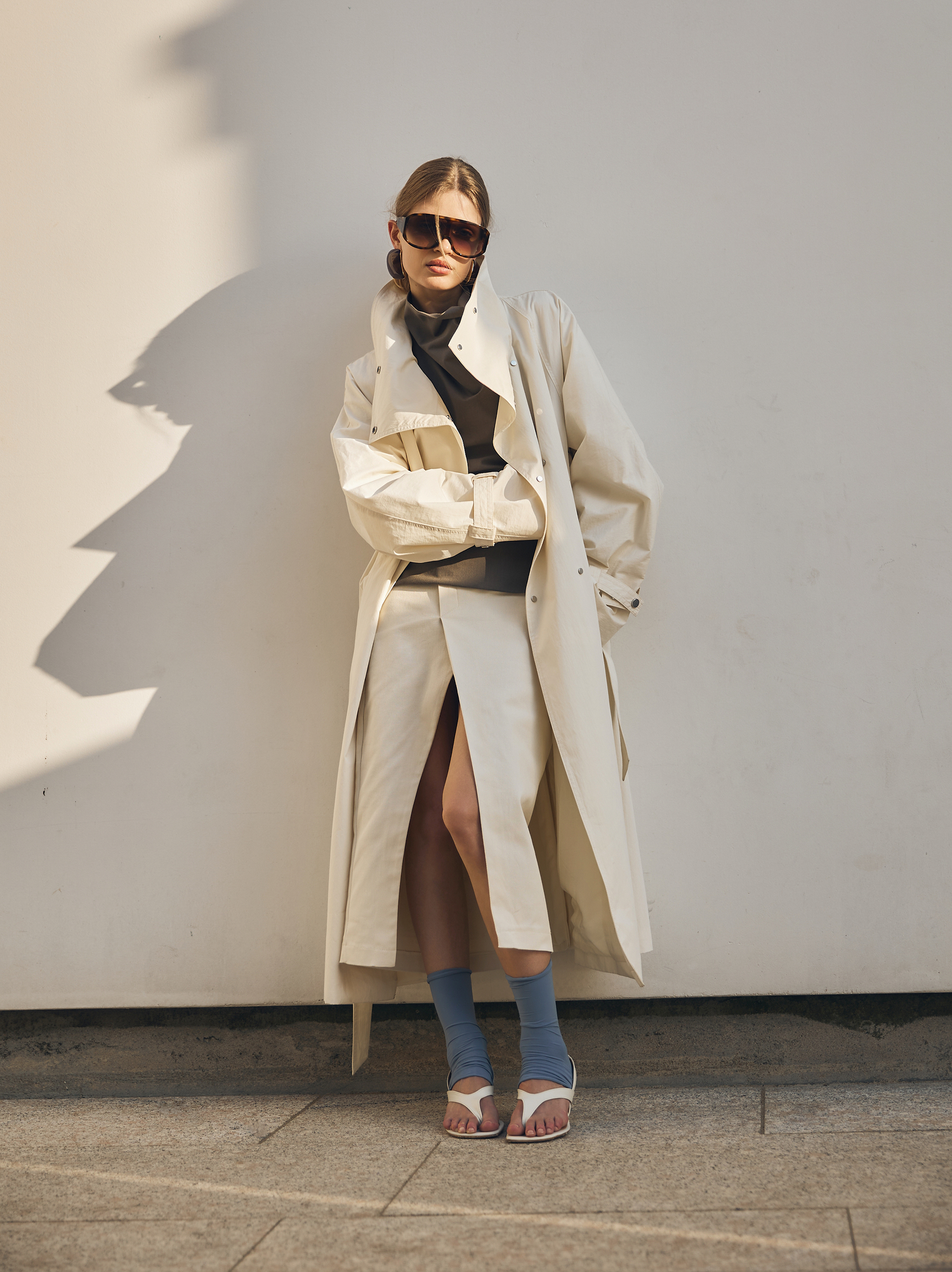
Every collection begins not with a trend report, but with a question: what does a woman actually need to wear this season, and what does she not yet have? Aldo and the team spend time in the early stages of each cycle looking at silhouettes: what shapes feel current without being driven by a single runway moment, what proportions work across different body types and daily contexts, what will still feel right two or three seasons from now.
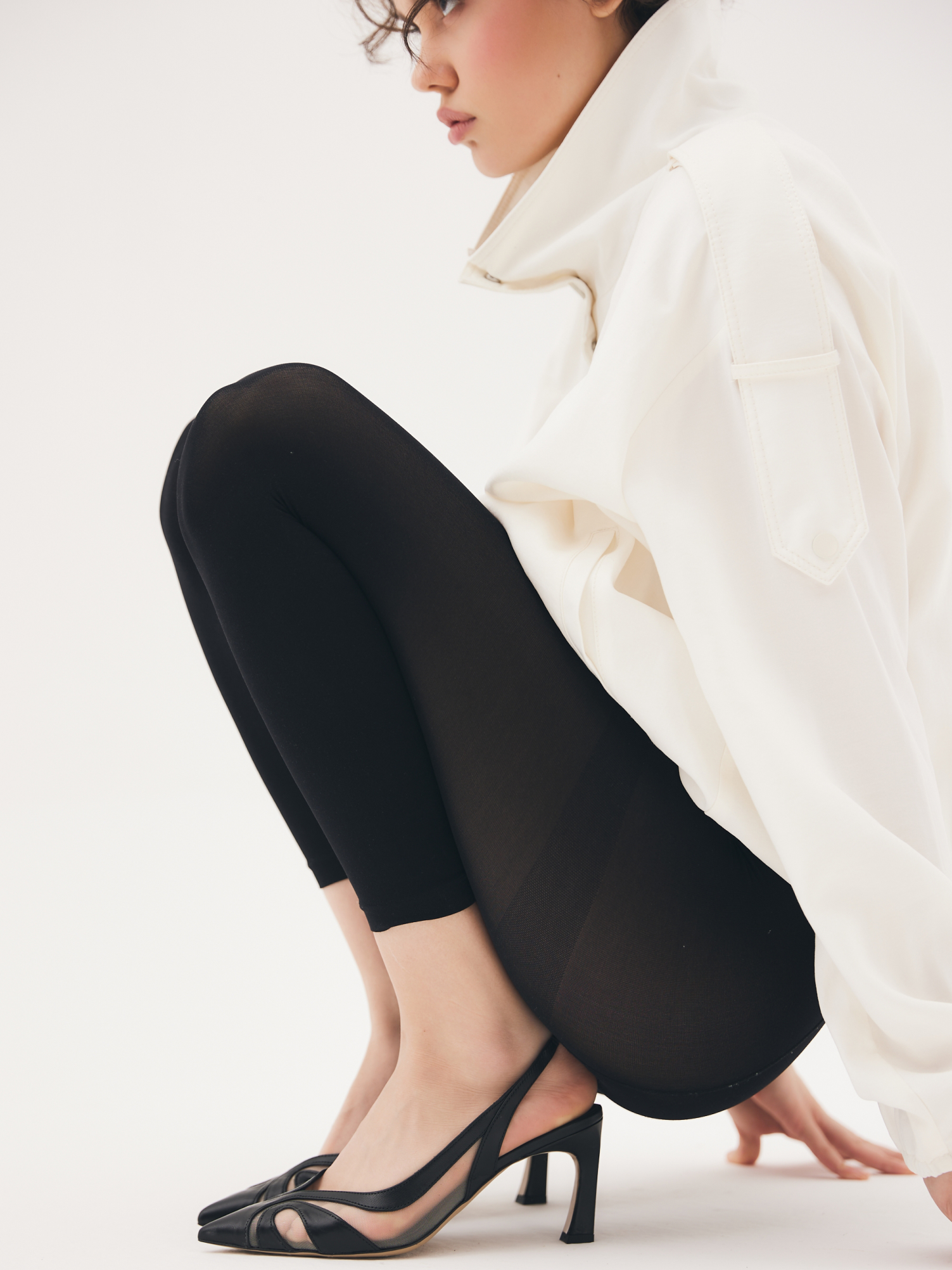
Material sourcing comes next, and it is taken seriously. GUJA works with tanneries and suppliers it has known for years, selecting leathers, suedes, and linings by hand — touching, bending, testing them for suppleness, finish, and durability before a single sample is cut. The focus is always on materials that improve with wear: leather that softens and conforms to the foot over time, lining fabrics that breathe, soles that offer real support across a full day.м
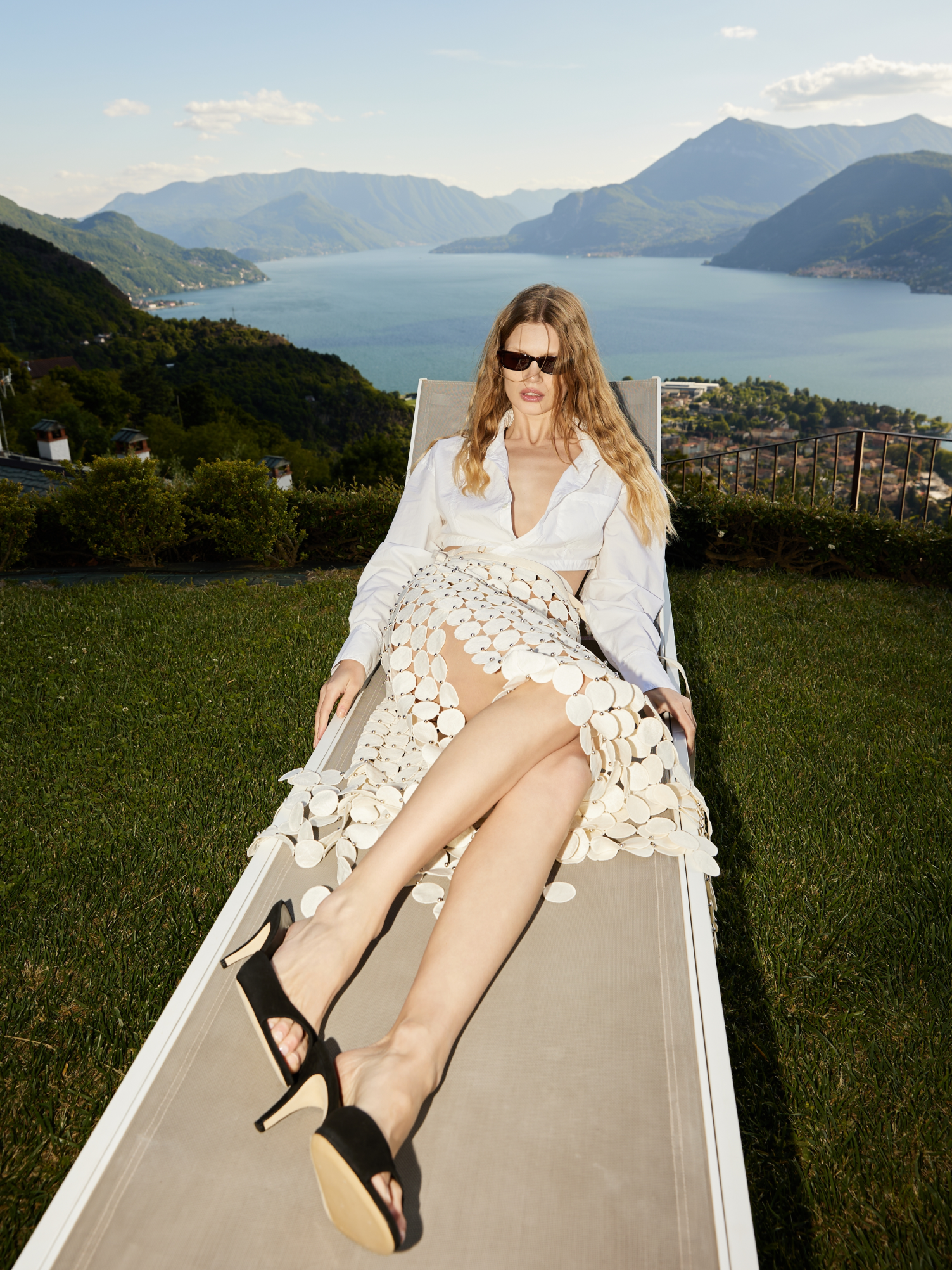
From there, the work moves to the factory floor — to craftsmen who have spent decades understanding how a shoe behaves on a last, how a heel sits, how a seam holds. Samples are made, worn, adjusted. Lasts are modified by hand when the fit isn’t quite right. Nothing goes into the collection until it meets the standard the brand has held since 1993: beautiful to look at, genuinely comfortable to wear, built to last.
What stands behind the product
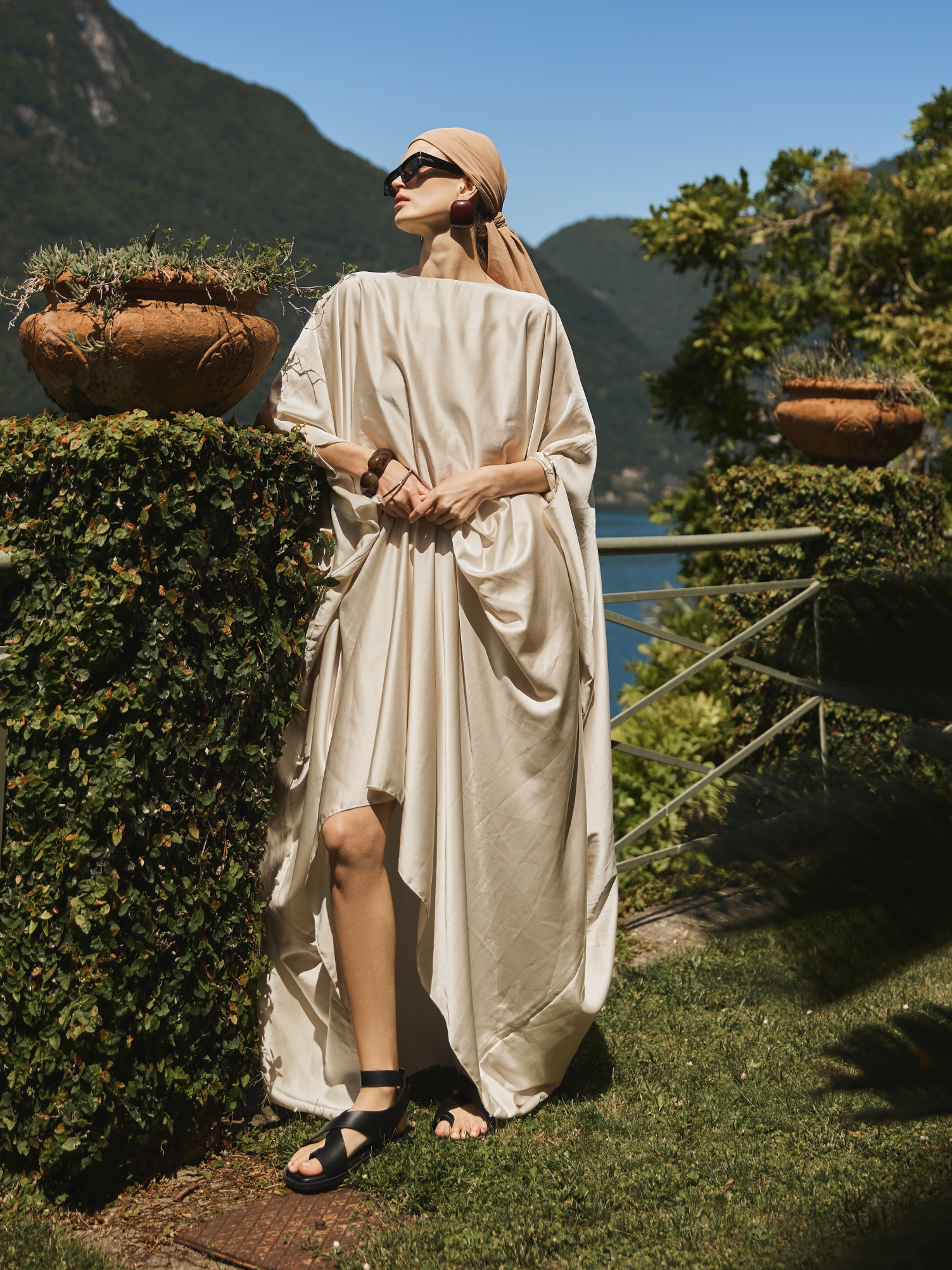
GUJA has been producing women's footwear since 1993: over thirty years of direct factory relationships, material sourcing, and production oversight. All materials used across the range are EU-certified. Production partners are selected individually, visited in person, and maintained through long-term relationships rather than volume contracts.
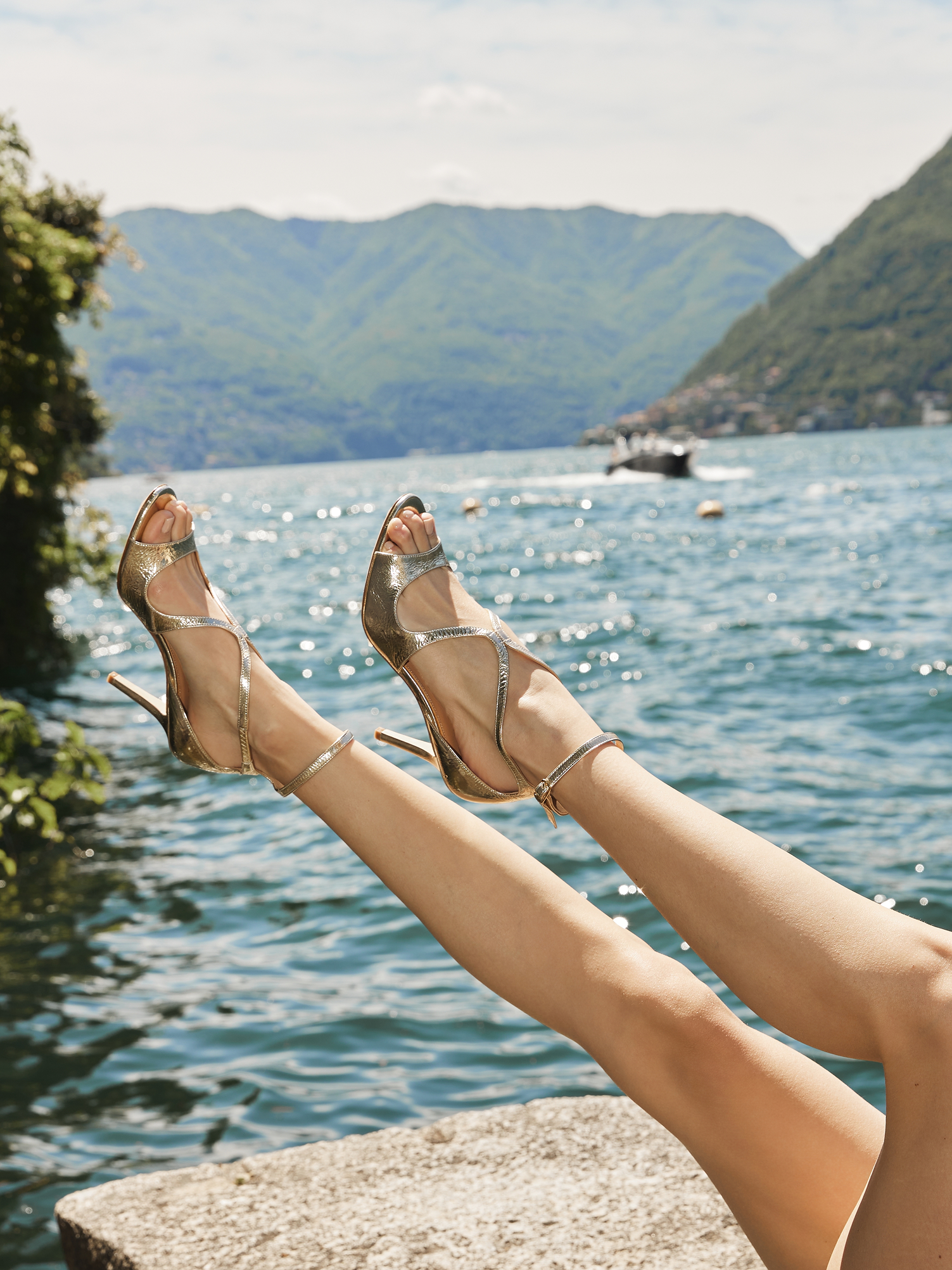
The factories GUJA works with are not anonymous suppliers. They are specialist operations, many of them family businesses that have been producing shoes since the early twentieth century, and several that also manufacture for some of the most respected names in the industry. Thirty years of working with the same hands means GUJA knows exactly what it is getting, and those craftsmen know exactly what GUJA expects.
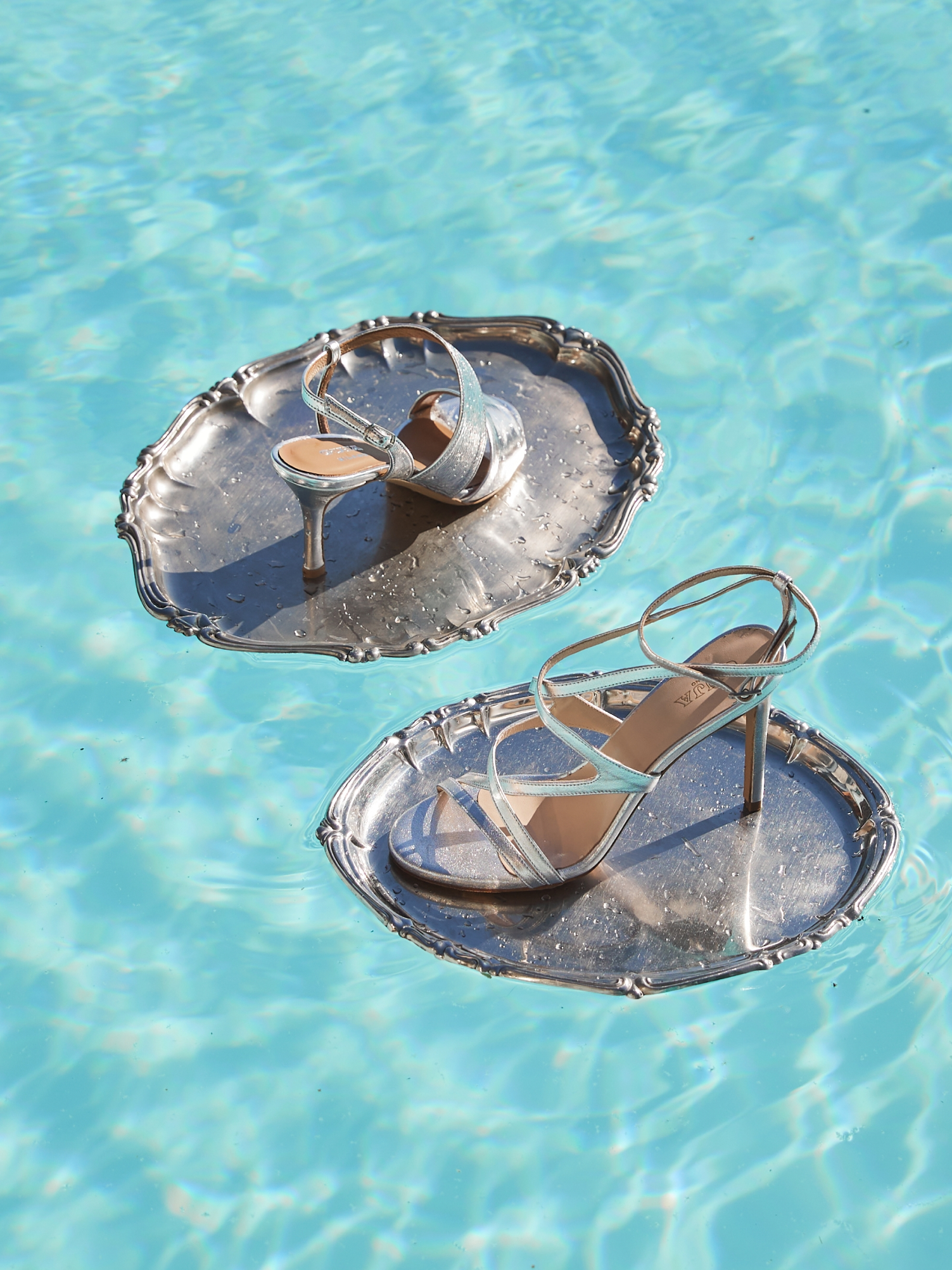
Over thirty years, GUJA has built a customer base of more than 30,000 — primarily in Italy, with international shipping now available worldwide.
Find GUJA
Three stores: two in Milan, one in Rome. Each one a reference point for women in the city who know what they’re looking for and want to take their time finding it. The staff know the collection well enough to guide a first-time customer or advise a regular on what’s new this season. Come in, try things on, ask questions — that is what the stores are there for.
Best for daily wear: Loafers and moccasins that move through a full day without asking anything of you.
Best for travel: Styles that pack light, look right in any city, and feel as good on the last day as the first.
Best for long walking days: Construction built around real comfort — supportive soles and natural leather that lives with you.
Best for stylish events: Heels and slingbacks that carry the occasion without carrying you.
CONTATTACI
Ti risponderemo il prima possibile dal lunedì al venerdì, dalle 10:00 alle 17:00.